
Industry
Avoid Data Silos: Why Fintechs Need Multiple Aggregators
Fintech is reshaping the way we interact with money. From instant payments and peer-to-peer lending to robo-advisors and budgeting apps, fintech offers speed, convenience, and personalization on a level that traditional financial institutions often struggle to match. However, one persistent challenge in the fintech world is that of data silos – isolated pockets of information that hinder innovation and a seamless customer experience.
The Problem with Data Silos: A Tale of Hidden Insights and Missed Opportunities
Imagine your favorite fintech app as a curious detective trying to solve the mystery of your financial wellbeing. The trouble is, instead of having all the clues neatly compiled in one case file, vital pieces of information are scattered across different locations. Some are locked away in the old archives of traditional banks, guarded by outdated systems that speak a language no one quite understands anymore. Others are held in the gleaming towers of rival fintech companies, accessible only through complex negotiations. And then, there are those scraps of paper with crucial details – maybe your investment portfolio or recent spending patterns – that are hidden in the depths of your own disorganized records.
This is the world of data silos. Each silo is a fortress of information, isolated from the rest. Your fintech detective, eager to assist you, finds itself hitting dead ends and pursuing fragmented leads. Here's how data silos hold your fintech back:
- The incomplete picture: Without access to all the clues, the detective can't fully understand your financial situation. This means they might miss a chance to point out potential savings, warn about unseen risks, or offer you that perfectly tailored product that fits your unique needs.
- The frustrating delay: Every time the detective needs a new piece of information, it's like embarking on a separate investigation. This means slower responses, missed opportunities in a fast-paced market, and features that always seem to be "in the works" but never quite arrive.
- The case of mistaken identity: As your detective struggles to reconcile conflicting data from different silos, errors creep in. That helpful recommendation they offer might be based on outdated or incomplete information, ultimately causing more frustration than benefit.
The good news is that the case of the data silos doesn't have to be a mystery forever. This is where data aggregators step into the story...
Enter Data Aggregators
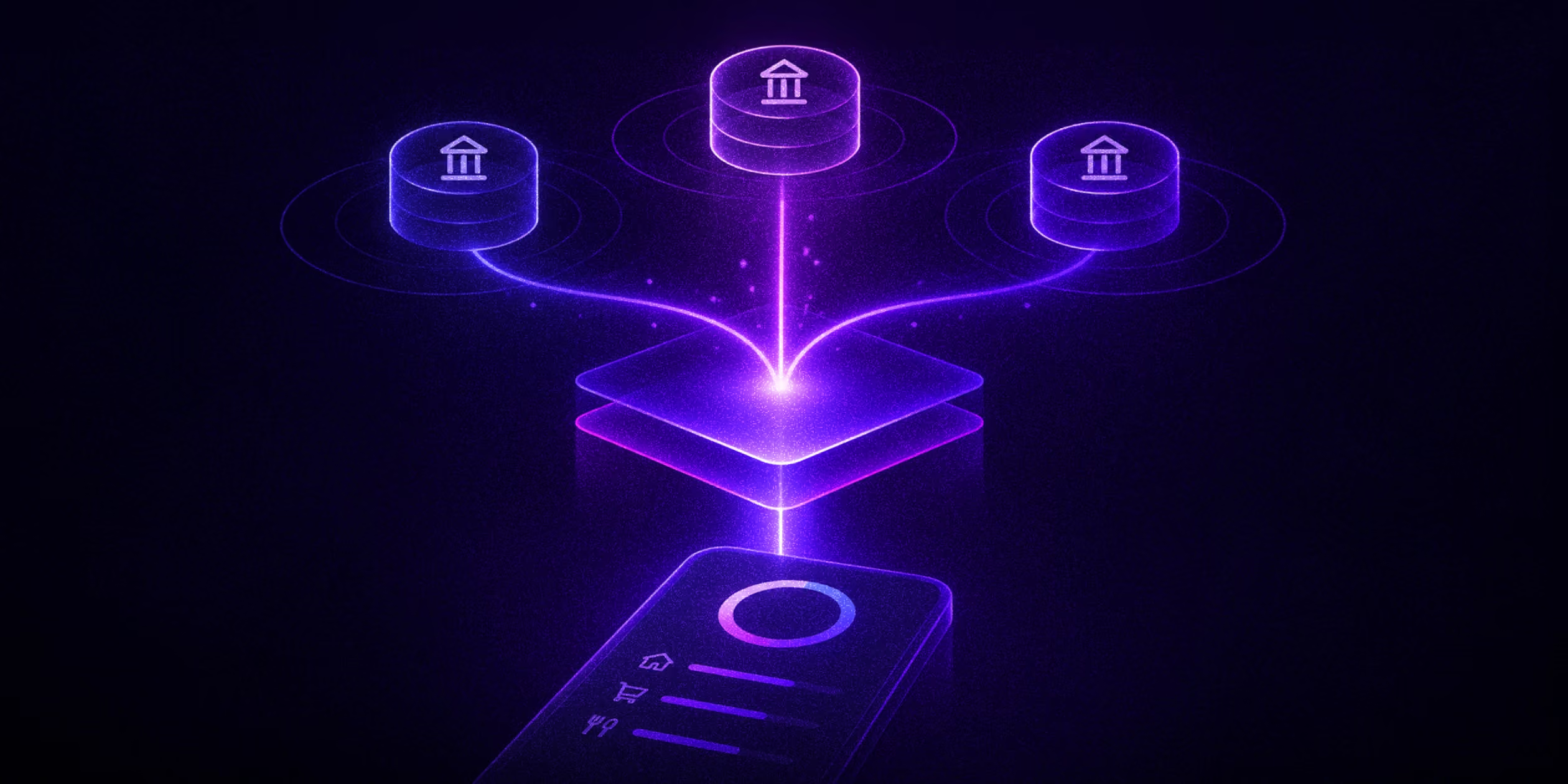
Data aggregators act as intermediaries between fintechs and various financial institutions. With user consent, they connect to different bank accounts, investment platforms, credit card accounts, and more, pulling together financial data in a standardized format. Fintechs can then access this consolidated information through APIs provided by the data aggregator.
The Limitations of a Lone Ranger: Why Your Fintech Needs a Team
Think of a data aggregator as a skilled translator, bridging the language gap between your fintech app and the vast, multilingual world of financial institutions. A good translator helps you navigate through a foreign country, unlocking new experiences and making communication possible. However, even the most talented translator can only know so many languages and might not have connections in every single town and village.
Relying on a single data aggregator is like exploring this diverse financial landscape with only one translator by your side. They might be amazing at navigating the bustling banking districts or be fluent in the language of investments, but they have their limitations:
- The Unexplored Territories: Your translator can only take you to places they know. There will always be those hidden gems – the smaller financial institutions, niche investment platforms, or new types of financial data – that remain out of reach.
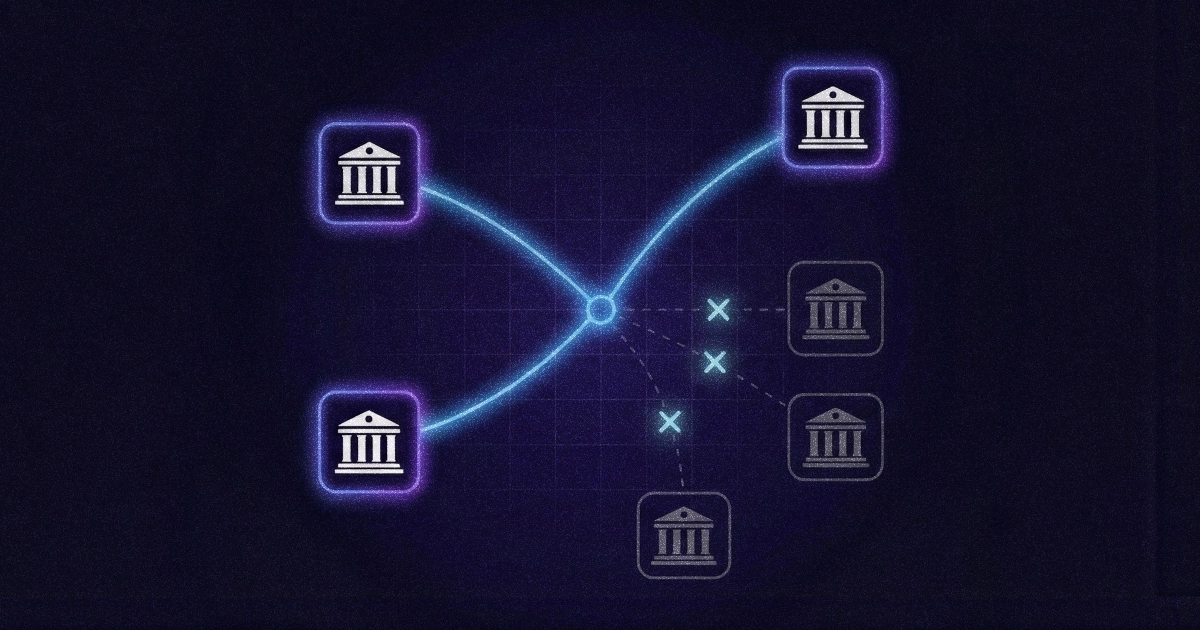
- The Unexpected Breakdown: Imagine your trusty translator suddenly falls ill. Your entire journey grinds to a halt. Similarly, if your sole data aggregator faces technical problems, or changes their terms in a way that's unfavorable to your fintech, progress stalls while you scramble for an alternative.
- The Narrow Perspective: Even the best translator might have their biases or areas of expertise. A different perspective can bring fresh insights. Just like that, a different aggregator might uncover patterns or connections that your original one overlooked.
By working with a team of skilled translators – or multiple aggregators – your fintech is no longer bound by the limitations of a single guide. You gain the power to explore the entirety of a customer's financial world, discover new possibilities, and stay protected against unexpected roadblocks.
The Power of Multiple Aggregators
Here's how fintechs can leverage a multi-aggregator approach to future-proof their businesses:
- Maximum data coverage: By utilizing multiple aggregators, fintechs can maximize the breadth and depth of customer financial data they access. This enables a more holistic 360-degree financial view of the customer.
- Resilience and redundancy: If one aggregator experiences a problem, fintechs can switch to another, ensuring continuity of service and minimizing downtime.
- Best-of-breed solutions: Multiple aggregators allow fintechs to choose the best providers for different data types. For example, one aggregator might excel at investment data, while another has a broader network of banking connections.
- Enhanced innovation: With comprehensive data across various financial areas, fintechs are better positioned to innovate, uncover patterns, and offer new and tailored services.
- Power to negotiate: Working with multiple aggregators gives a fintech greater leverage in negotiating data access terms and pricing.
Building Your Data Dream Team: A Playbook for Smart Fintechs
Picture yourself as the coach assembling an all-star team to lead your fintech to victory. Each data aggregator is a player with unique skills and strengths, and the key to success lies in finding the right mix and putting in place a winning strategy. Here's your playbook for managing your multi-aggregator approach:
- The Scouting Report: Before signing any players, do your homework. Just like a seasoned coach carefully evaluates potential recruits, thoroughly research different aggregators. Look beyond just coverage. Pay attention to their track record of reliability, their commitment to security, and the level of support they offer.
- Game Plan for a Unified Front: Imagine your star players all using different game plans, leading to chaos on the field. To get the most out of your data aggregation team, you need a system for bringing all their information together. Develop a process to streamline and reconcile the data from different sources so it all speaks the same language.
- Consent and Security: Your MVPs: Treat user consent for sharing financial data as the most valuable asset in this game. Establish transparent policies and ensure your tech handles this sensitive information with the utmost care—encryption, secure access, everything a top-tier defense should have.
- Agility is Key: The financial world evolves fast, and so do the players. Design your systems with flexibility at their core, ready to seamlessly add new aggregators should the need arise. Be adaptable so your fintech can always play its best game.
Future-Proofing Your Fintech: The Multi-Aggregator Blueprint
Breaking free from the constraints of data silos isn't just about efficiency; it's about unlocking the true power of fintech. By strategically embracing multiple data aggregators, your fintech gains the adaptability, comprehensive insights, and resilience necessary to thrive in a competitive and ever-changing landscape. This isn't simply a technical upgrade; it's a shift towards a future where financial data works for the customer, empowering your fintech to be their greatest champion.
Frequently Asked Questions
What is the difference between an aggregator and a super aggregator?
An aggregator connects your application to financial institutions and returns account and transaction data. A super aggregator sits above several aggregators and exposes them through one API, the model Quiltt runs. You get broader coverage and fallback routing without integrating each provider yourself.
Why does adding a second bank aggregator require rebuilding existing code rather than extending it?
An application built around a single aggregator encodes that provider's data model throughout the codebase: in the schema, the connection flow, and the error handling. Adding a second provider introduces a second data model that has to be reconciled at every point the first one was assumed. A normalization layer has to sit above both so the rest of the application sees one consistent shape. Without it, every downstream component (the frontend, the models, the webhooks) has to be updated to handle provider-specific variations. What looked like a deferred decision becomes technical debt distributed across the codebase, surfacing at exactly the moment the team is under pressure to fix a coverage gap.
Which personal finance apps use multi-aggregator architecture?
Monarch Money and Copilot are the clearest examples in the consumer PFM category. Monarch routes connections across Mastercard Open Banking (Finicity), MX, and Plaid, and its help center explicitly guides users to switch providers when one fails. Copilot added MX, Finicity, and Akoya over time and is now rated among the top apps for transaction data quality. Both companies built and staffed their own orchestration layers. For teams without that headcount, Quiltt provides the same multi-aggregator architecture through a single integration and contract, routing across Finicity, MX, and Plaid.