
Industry
What Is FedNow? Instant Payments Explained (2026)
If you work in the financial technology space, you need to get acquainted with a powerful change coming to the world of payments: FedNow. FedNow launched in July 2023 and is now established payments infrastructure, with 1850 participating financial institutions as of August 2026. For fintech teams, the question is no longer whether FedNow matters — it is whether your data layer can support the real-time account verification and balance checks that instant payments require. With it comes a transformation in how we move money in the United States.
Hold Up – What's a Payment Rail?
A payment rail is the underlying infrastructure that allows money to move from one bank account to another. You're likely familiar with some older, slower rails like ACH (Automated Clearing House). ACH is excellent for regular recurring payments but usually takes a few days. In an increasingly "always-on" world, ACH can feel archaic.
FedNow in 2026: Where Adoption Actually Stands
FedNow is no longer the new kid on the block. As of August 2026, more than 1,850 financial institutions — banks and credit unions across the country — are live on the network, up from 35 at launch in July 2023 and roughly 1,400 at the two-year mark. The number of senders has tripled since launch, and 98% of participating institutions have received at least one payment through the service.
The network has also grown in what it can handle. In November 2025, the Federal Reserve raised the FedNow transaction value limit from $1 million to $10 million, opening the door to larger commercial and business-to-business use cases that were previously out of reach.
Adoption skews toward the institutions you'd expect: JPMorgan Chase, Wells Fargo, U.S. Bank, and BNY Mellon were among the earliest large banks live on the service. PNC Bank and Capital One have since joined the network as well. Citigroup and Bank of America does not currently appear on the FedNow participant list.
For comparison, The Clearing House's RTP network — the other major U.S. instant payment rail — launched earlier and had a head start on transaction volume, but FedNow's reach into smaller community banks and credit unions, which already maintain accounts with the Federal Reserve, has outpaced RTP on participant count.
FedNow: Real-Time Payments Are Here
FedNow changes the game with 24/7/365 real-time, instant payments. It's designed to support a wide range of use cases:
- Consumers: Imagine paying a friend back instantly for your share of dinner, even on the weekend.
- Businesses: Payroll done seamlessly with immediate fund availability, or just-in-time supplier payments to eliminate costly cashflow woes.
- E-commerce: A frictionless way to settle purchases right away, boosting merchant speed and buyer confidence.
FedNow: Solving the Challenges of Traditional Systems
Think back to the last time you needed to move money quickly – maybe paying a bill urgently or splitting a restaurant tab. Did you struggle with delays, wondering why it couldn't just happen instantly? Traditional banking systems have served us for a long time, but they are built on foundations that weren't designed for our interconnected, 24/7 world. Their limitations, like the slow movement of funds, restrictions due to banking hours, and even the risks associated with waiting for settlements, are increasingly inconvenient in our modern reality.
FedNow is a response to these shortcomings. Forget waiting days for an ACH transfer to complete. Imagine sending money and seeing it available in the recipient's account practically at the same moment, regardless of holidays or weekends. Real-time settlement also lowers those nagging worries about transfers failing or funds bouncing – in the FedNow world, transactions get instant confirmation and reassurance.
How is FedNow Different from Zelle, Venmo, etc.?
Apps like Zelle and Venmo have streamlined how we send money to friends and family. These familiar apps are great for person-to-person (P2P) payments, but they function almost like side networks alongside your main bank account. That's where FedNow is fundamentally different.
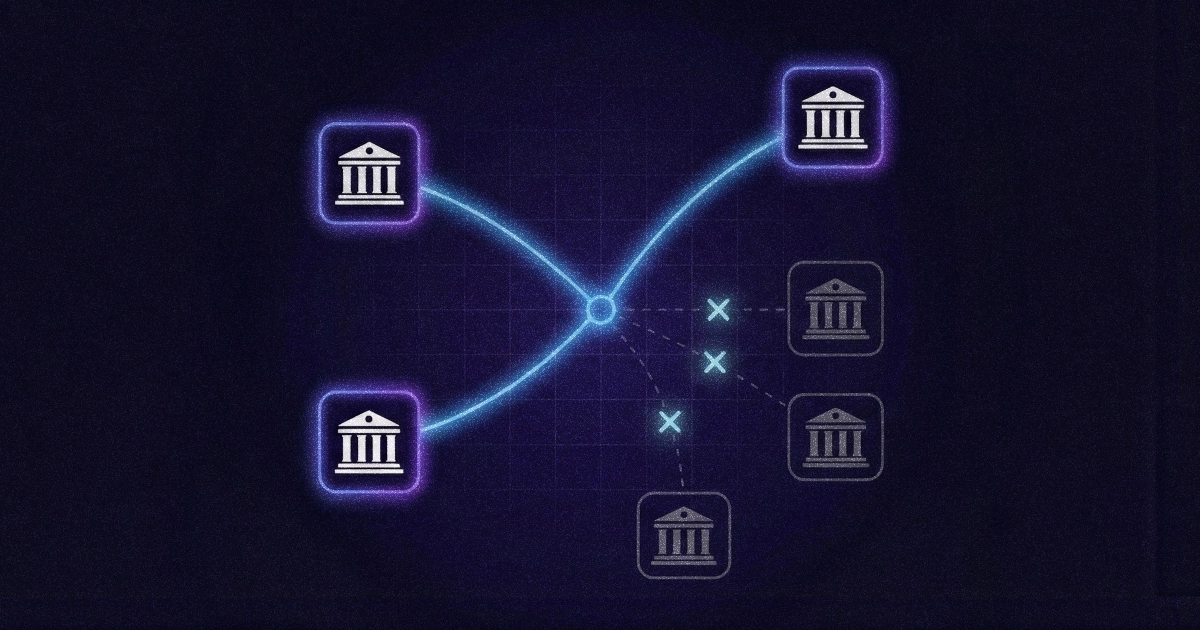
Think of FedNow as a superhighway built directly into the heart of the banking system. Participating banks won't just rely on an add-on service – they'll actually upgrade their internal systems to handle real-time transactions themselves. This eliminates the need for middlemen; a payment moves seamlessly from one bank to another. Imagine the possibilities – not only sending money faster but potentially unlocking instant loan approvals, same-day insurance claim payouts, and much more.
This direct approach through FedNow will likely streamline business transactions. Companies relying on older electronic payment networks will be pressured to embrace this new model to avoid outdated, inconvenient delays. FedNow paves the way for a fully modernized, and ultimately more efficient, payments ecosystem.
What Does FedNow Mean for Fintech
FedNow has the potential to be both an amazing opportunity and a challenge for fintechs. Here's why:
- New Product Playbook: Real-time funds mean opportunities for innovative products and services that simply weren't possible before. Fintechs that rely on speed and immediate cash availability will see huge benefits. For example, "gig economy" payment solutions, real-time lending services, and micro-investment apps can utilize FedNow for unparalleled responsiveness.
- Leveling the Field: With FedNow, traditional banks regain some of the agility that makes fintechs stand out. The speed gap will start to close, meaning fintechs must focus even harder on innovation to maintain their appeal. Staying ahead of the curve in terms of features, usability, and value will be critical.
- Partnership Potential: Could your fintech solution collaborate with FedNow directly or through financial institutions? Fintechs might offer value-added layers within the instant payment ecosystem, such as advanced customer-facing interfaces or specialized lending models built on FedNow's speed. Strategic thinking in this area can unlock new markets.
So, Do I Need to Do Anything?
FedNow is live and growing, but not every institution has joined yet — some, including a few of the largest U.S. banks, are still not on the network. Here's your action plan:
- Monitor Your Bank: Find out their FedNow adoption timeline. This influences when you can offer FedNow-based features.
- Assess Your Products: Does FedNow open up new product possibilities? How can it improve what you already offer?
- Watch the Competition: Be prepared if established players or new competitors try to steal your ground with FedNow-enhanced solutions.
The Take-Away
FedNow is a genuine upheaval for US payments. While it offers the potential to shake up the landscape, it’s more of an enabler than a threat. Strategic fintechs won’t miss the opportunity to leverage this new speed and reliability for their users. Embrace the shift to create better tools and solutions for everyday customers and businesses alike.
To stay ahead of the curve, keep track of FedNow's official developments. Learn more on the Federal Reserve's FedNow website: https://www.frbservices.org/financial-services/fednow/about.html
Frequently Asked Questions
What is FedNow?
FedNow is a 24/7/365 instant payment service developed by the Federal Reserve that enables real-time transfers between bank accounts in the United States.
Is FedNow real?
Yes. FedNow is an instant payment service operated by the Federal Reserve, launched in July 2023 and live today. It is worth addressing directly because the service has been a recurring subject of misinformation, including false claims that it replaces physical cash or enables government monitoring of individual transactions. FedNow is settlement infrastructure between banks — it is not a central bank digital currency and it does not give the Federal Reserve accounts or visibility into consumer transactions.
How is the FedNow Service different from RTP?
Both move money instantly and settle in real time, but they are run by different operators. FedNow is operated by the Federal Reserve; the RTP network is operated by The Clearing House, a private consortium owned by large banks. RTP launched earlier and had a head start on volume, while FedNow has broader reach into smaller institutions that already hold Federal Reserve accounts. Many banks now connect to both, and most fintechs should treat rail choice as something their bank partner handles.